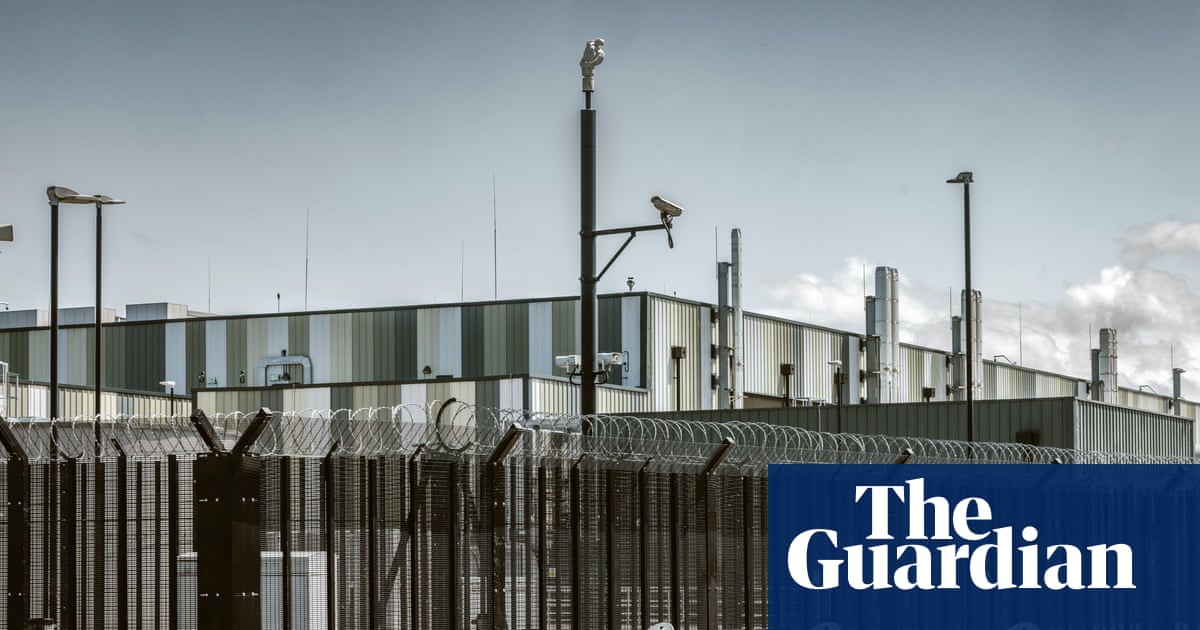
National Grid has agreed to buy 29.5 hectares (73 acres) of land at Dorman Point on Teesside, moving closer to constructing the largest electricity substation in Britain, according to The Guardian. The site sits next to land earmarked for a large artificial intelligence datacentre, and the purchase was first reported by Sky News.
The land is owned by Teesworks, a private-public partnership in the region. The move comes as the UK seeks to expand the power infrastructure needed to support AI computing.
Why it matters
Datacentres consume large amounts of electricity, and the speed at which they can be connected to the grid has become a constraint on building them in Britain. The Teesside substation is intended to address that bottleneck by providing substantial new generating capacity in the north-east of England, which the region hopes will attract investment in major datacentre projects.
Matt Pearce, National Grid's head of land, said the deal "reflects the constructive work between all those involved to enable this vital infrastructure", according to The Guardian. He added that it would support the growth of AI and digital technologies and enable the region's next phase of industrial and economic development. Pearce also said the company was committed to working closely with partners to progress the development as quickly as possible.
Government backing and a vast proposed facility
The land purchase follows reports last year that the UK government had selected Teesworks as the location for a new AI datacentre. Planning applications have been submitted for a project spanning nearly 500,000 square metres, according to The Guardian.
Ben Houchen, mayor of the Tees Valley combined authority, told Sky News that securing power quickly is the central difficulty for anyone attempting to build a datacentre in Britain. He said that while the UK has been waiting in the queue, the US, the Gulf and parts of Europe have been proceeding and attracting the investment. Houchen said capacity of up to 3.2GW at the site would allow the region to compete for such projects.
He added that if Britain is serious about having its own AI capability, with sensitive data stored on British soil, it needs physical locations to house it, and he would prefer that to be Teesside rather than Texas or Abu Dhabi.
Last week the government published a draft national policy statement on datacentres, describing them as "as fundamental to our economy as the railways and electricity networks on which we have long depended", The Guardian reports. The statement said the country must take control over datacentre development and ensure that both the country and host communities benefit from it.
Local opposition and delivery partners
The pace of datacentre construction in the UK has drawn strong resistance. Campaign groups have protested against planned developments in locations ranging from Auchtertool, a village north of Edinburgh, to Brick Lane in east London, according to The Guardian.
In October, The Guardian reported that AI companies had told ministers they had 12 months to head off public opposition to datacentres in the UK or risk US-style protests that could threaten construction.
The London-listed infrastructure services group Balfour Beatty was reported to be in line to deliver the Teesworks substation for National Grid, with the utilities firm Steel River Power (SRP) also heavily involved in the project, according to The Guardian.
What to watch next is whether the planning applications for the datacentre progress and how quickly National Grid moves from land purchase to construction, with the government's draft policy statement on datacentres also open to further development.